Organizational Design
As role automation, skill evolution, and market uncertainties arise, it becomes increasingly difficult to pinpoint an optimal organizational structure. Use TalentNeuron’s Organizational Design module to model workforce scenarios, visualize and refine skill-focused structures, and build a cohesive org structure that delivers better business outcomes.
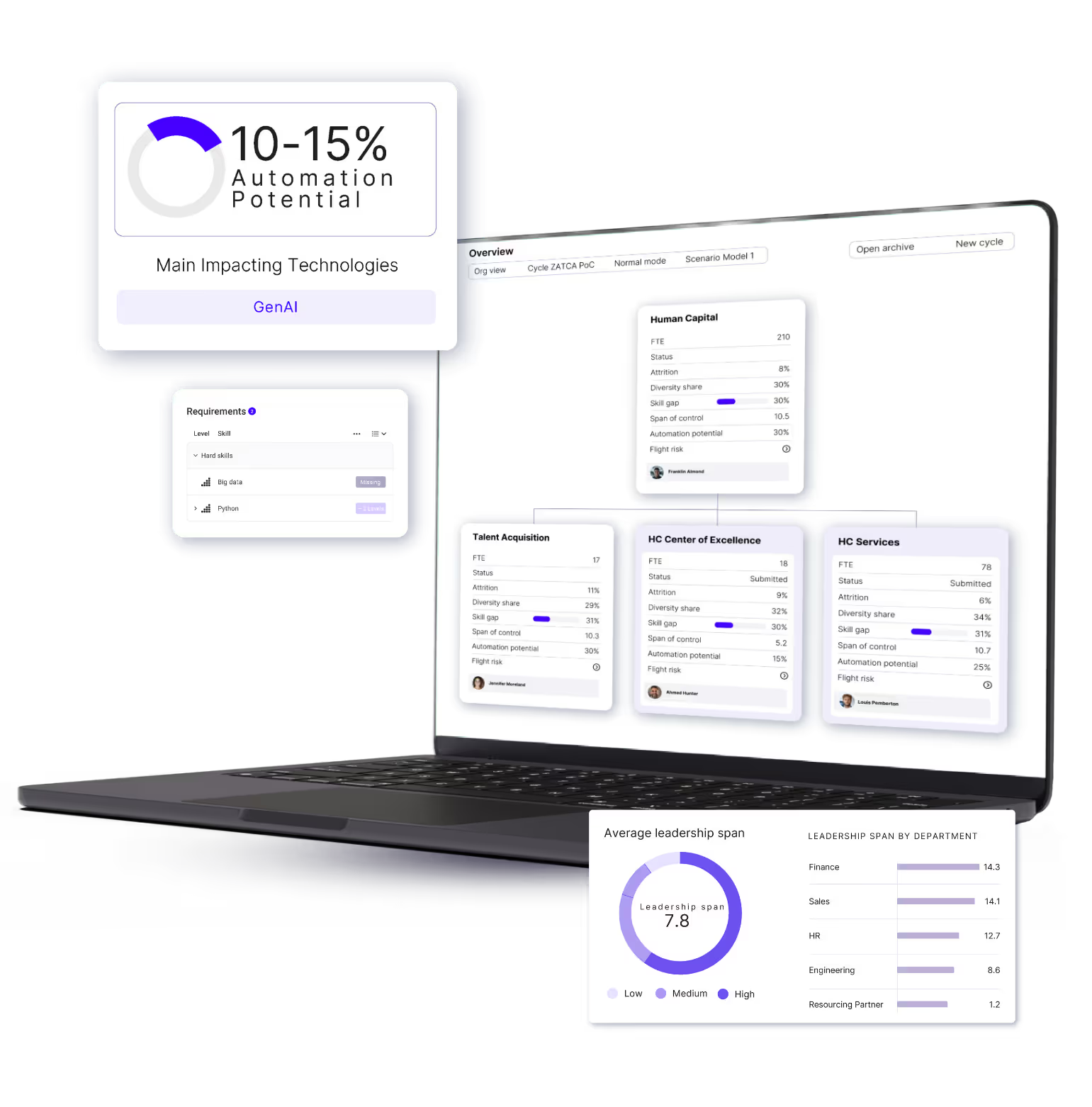
With the Organizational Design module, you can:

Anticipate Challenges
Model employee movements (departmental transfers, hirings, layoffs) and the adoption of emerging technologies to predict how they affect communication, efficiency, and the bottom line.

Plan for Future Needs
Visualize and enhance complex organizational layers, using insight into employee skill sets, to match evolving business needs.

Streamline Processes
Normalize regular design maintenance to remain aligned with market demands, reduce redundancies, and enable smooth workforce transitions (i.e. restructuring or M&A)
_white.png)
JoAnn Jordan
Vice President of Global Talent Acquisition, Flex
Weigh all design options before making critical decisions
Create and analyze potential structures before taking action to find the best fit that aligns with business strategy and budgetary constraints.
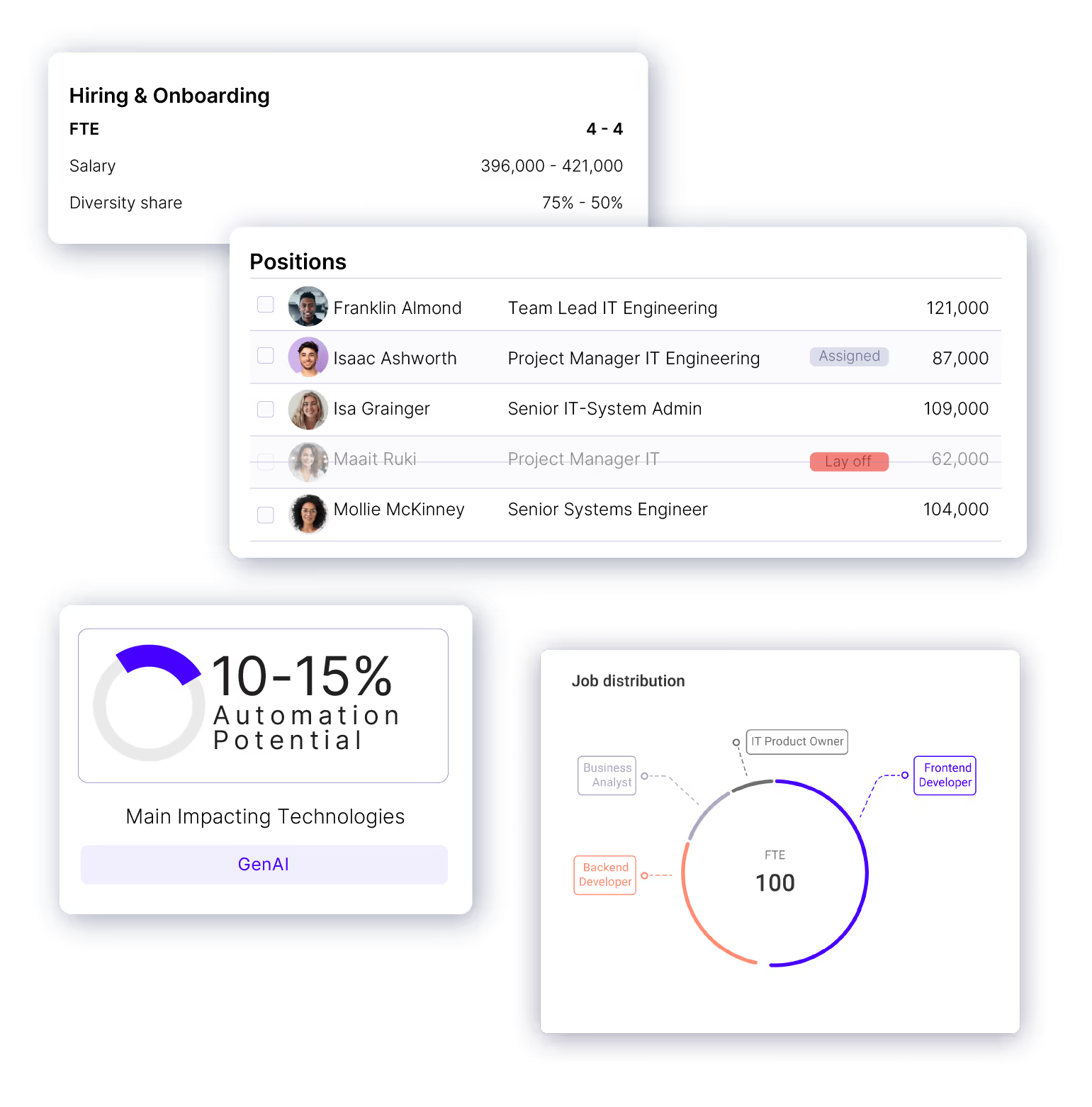
Model hiring plans, employee movements, and department changes to understand how they affect workforce gaps and costs.
Assess automation potential to understand where technology can improve productivity and reshape work.
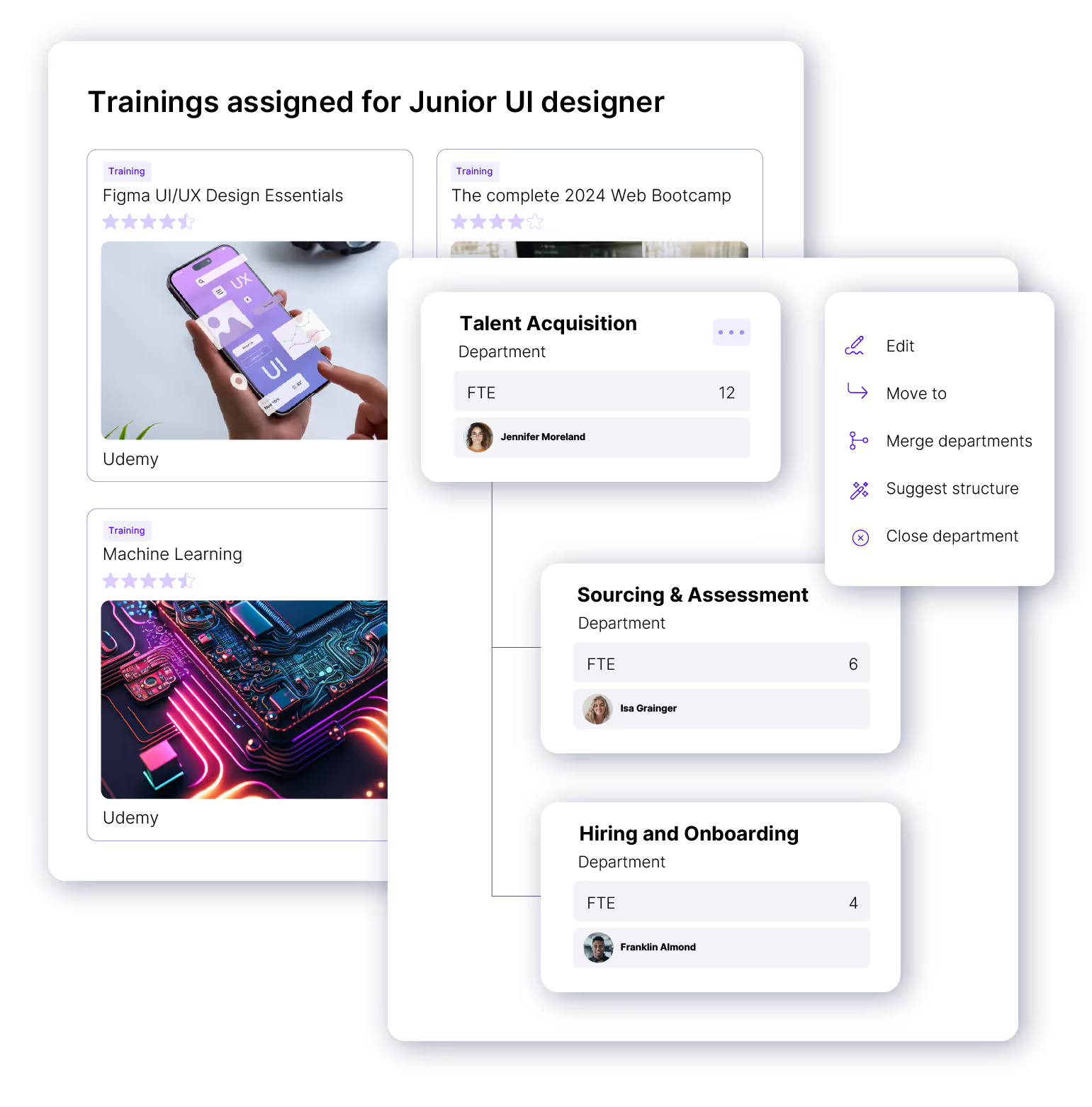
Receive AI-driven suggestions that highlight opportunities to improve organizational structure and workforce efficiency.
Structure teams with workforce and cost insight
Visualize your organizational structure and compare the workforce cost impact of different scenarios.
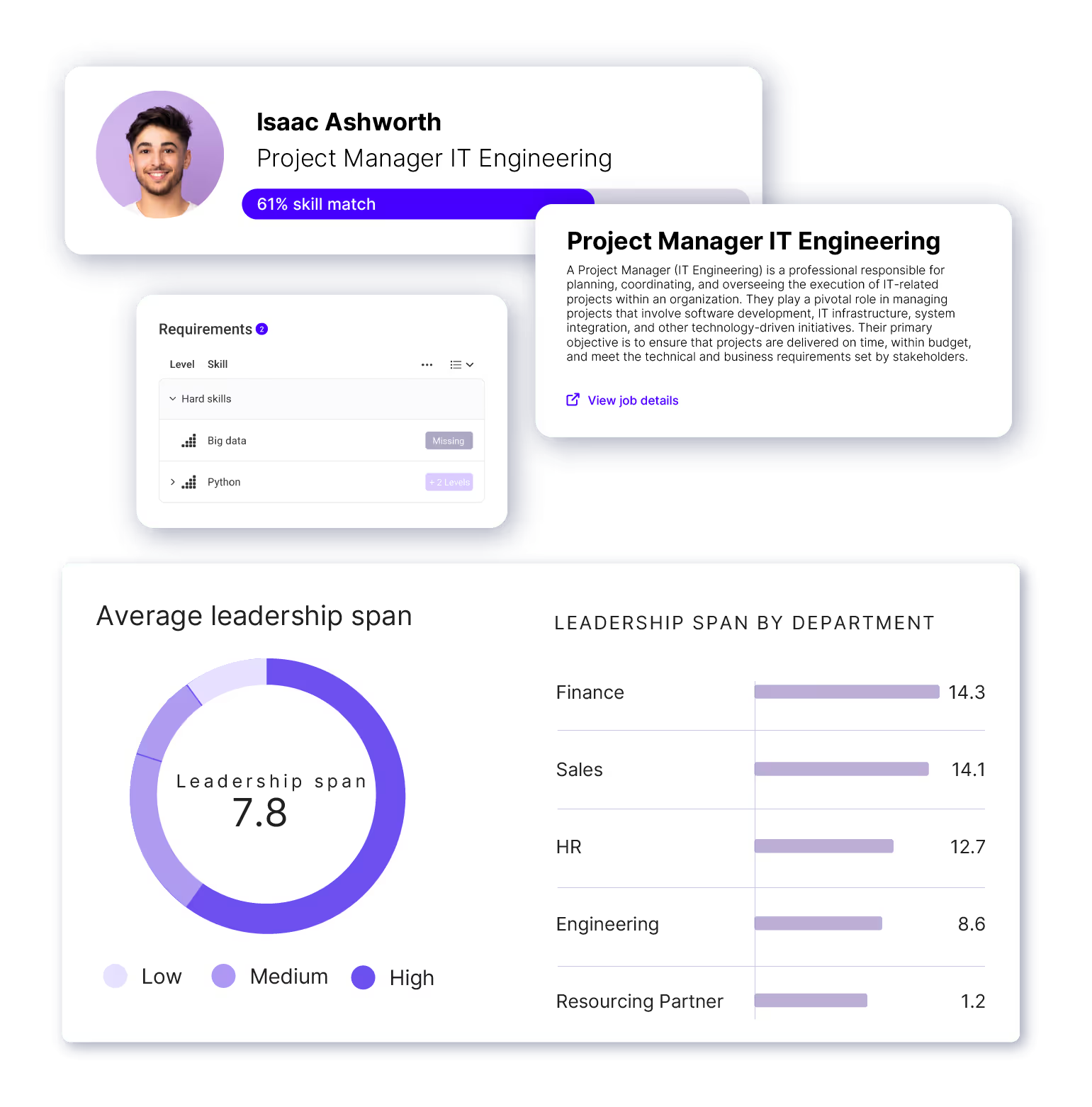
Analyze spans of control and layers to identify inefficiencies and opportunities for redesign.
Compare scenarios and evaluate cost impacts across compensation types, including salary, benefits, bonuses, and more.
View employee skill details through the Skills & Career Marketplace integration.
Act on workforce design decisions
Continuously evolve your organizational structure as business needs, technology, and skill demands change. Connect workforce planning insights with organizational design to determine how work should be structured and what talent actions are needed to support the new model.
Respond to changing business needs by updating roles, teams, and reporting structures.
Identify where new skills are required and where existing employees can be reskilled or upskilled.
Prioritize workforce actions, such as restructuring roles, developing talent, and hiring employees with the desired skill sets.
There's more than one way to transform your workforce
Explore our other offerings to ensure every critical workforce decision is backed by data-driven insight.

Job architecture
You can’t adeptly design an organization without clear role descriptions. Standardize your job profiles based on responsibilities, skills, and qualifications using our Jobs and Skills Architecture framework. This helps your organization to better manage workforce gaps, as well as attract and empower top talent with transparent career roadmaps.

Strategic workforce planning
Gain further insight into talent supply and demand with our Strategic Workforce Planning capabilities. By uniting organizational priorities, business drivers, and external market trends into one view, scenario models become real plans of action.
More platform modules

Hiring Analysis
Analyze talent supply, demand, cost, and competition data

Skills Analysis
Understand current and future skills and evolving trends.

Location Analysis
Examine location implications based on talent trends.

Competitor Analysis
Monitor competitive labor market activity.

EVP
Benchmark against competitors’ data and monitor employee sentiment.

Skills and Career Marketplace
Understand skill sets to close gaps and encourage career development.
Visualize and enact your talent strategy
See how HR leaders and their teams use TalentNeuron’s workforce transformation suite to make smarter, faster workforce decisions.